

frameless backlit mirror
Understanding Silencing Check Valves Function, Importance, and Applications In various industrial applications, maintaining fluid dynamics and minimizing noise levels are critical for efficient operations. One of the clever solutions for achieving these objectives is the silencing check valve. This specialized device not only prevents backflow but also significantly reduces noise generated during the flow of fluids, especially in piping systems. What is a Silencing Check Valve? A silencing check valve is a type of valve that permits fluid flow in one direction while preventing reverse flow. Unlike standard check valves, silencing check valves are designed with additional features that mitigate the noise associated with fluid turbulence and sudden changes in flow velocity. They achieve this through innovative design elements, including unique internal geometries, dampening materials, and air chambers that absorb and dissipate sound. Functionality The primary function of a silencing check valve is to maintain unidirectional fluid flow, which is crucial in preventing system damage and ensuring operational efficiency. When fluid flows in the correct direction, the valve opens, allowing the fluid to pass through. If the flow direction reverses, the valve closes, preventing backflow. The silencing feature comes into play during the closing action; as the valve disc shuts, the design minimizes the sudden impact and turbulence that typically generate noise. Key components of a silencing check valve include - Valve Body Typically made of durable materials to withstand pressure changes and process conditions. - Closing Mechanism Often features a weighted or spring-loaded disc that provides controlled closure. - Silencing Elements These may include foam or elastomeric materials, air cushions, or specially designed flow paths that dissipate sound energy. Importance of Silencing Check Valves The significance of silencing check valves extends beyond mere noise reduction. Here are several reasons why they are vital in various industries silencing check valve 1. Noise Reduction In settings like hospitals, residential areas, and office buildings, excessive noise from plumbing and fluid systems can lead to complaints and discomfort. Silencing check valves help create a quieter environment. 2. Equipment Longevity Noise usually indicates turbulence and impact, which can lead to wear and tear in piping systems. By minimizing these forces, silencing check valves contribute to the longevity of piping and connected equipment. 3. Compliance with Regulations Many industries face noise regulations that require systems to operate within specific decibel limits. Silencing check valves aid in meeting these regulatory requirements. 4. Enhanced System Efficiency By controlling fluid dynamics more effectively, silencing check valves can improve overall system performance, leading to savings in energy costs and reduced maintenance needs. Applications Silencing check valves find applications in numerous sectors, including - Water and Wastewater Treatment To manage fluid flow in treatment plants while minimizing disruptive sounds. - HVAC Systems Used in air handling units and chillers to ensure quiet operation. - Petrochemical and Chemical Industries Essential in processes where backflow could cause product contamination or system damage. - Fire Protection Systems To maintain fluid pressure and prevent backflow while keeping noise levels low during operation. Conclusion Silencing check valves are essential components in modern fluid control systems. By offering both backflow prevention and noise reduction, they serve a dual purpose that enhances operational efficiency and user comfort. As industries continue to prioritize sustainability and noise mitigation, the role of these specialized valves will only grow in importance. Whether in residential plumbing or large-scale industrial applications, investing in reliable silencing check valves is a step towards a more efficient and quieter future.
about
frameless backlit mirror
Understanding Spline Go/No-Go Gauges A Comprehensive Overview In the field of precision engineering, the need for accurate measurement and validation of component dimensions is paramount. One essential tool in this regard is the spline go/no-go gauge. This specialized gauge is designed to ensure that spline features—used extensively in mechanical systems for power transmission and alignment—meet specific dimensional standards. This article provides an in-depth look at spline go/no-go gauges, their purpose, design, and application, as well as their significance in quality control processes. What is a Spline Go/No-Go Gauge? A spline go/no-go gauge is a device used to check whether a spline fits within specified tolerances. Splines are ridges or teeth on a shaft that assist in transmitting torque and aligning components. The go/no-go gauge consists of two parts the go gauge and the no-go gauge. The go gauge is designed to fit onto the spline if it is manufactured correctly, indicating that it meets the minimum tolerance specifications. Conversely, the no-go gauge is meant to not fit onto the spline if it is within acceptable tolerances. If the no-go gauge does fit, this signifies that the spline is out of tolerance, which could lead to performance issues or failure in coupling the necessary components. The Importance of Go/No-Go Gauges Quality control is crucial in manufacturing processes, particularly in industries such as automotive, aerospace, and machinery, where component failures can have severe consequences. Spline go/no-go gauges play a significant role in maintaining quality by facilitating rapid inspection. These gauges provide a clear and straightforward binary result—the presence or absence of fit—allowing operators to quickly ascertain whether components conform to specifications. Using go/no-go gauges also reduces human error in measurement processes. Traditional measurement tools like calipers or micrometers require careful handling and interpretation of readings, which can introduce variability in outcomes. In contrast, the simplicity of the go/no-go design means that the operator can easily determine compliance without complex calculations. Design and Construction spline go no go gauges The design of spline go/no-go gauges can vary significantly based on the application and the specific spline profiles being measured. They are typically made from high-strength materials such as hardened steel or carbide to ensure durability and maintain precision over time. The gauging teeth must be meticulously shaped to match the profile of the spline being tested—whether it is involute, square, or some other form. A well-engineered spline gauge will come with clear markings indicating the go and no-go sections to avoid any confusion during inspections. Additionally, many manufacturers incorporate features that allow for easy handling and use, such as ergonomic grips and protective casings, which help prolong the life of the gauges. Applications of Spline Go/No-Go Gauges Spline go/no-go gauges are widely used across various industries. In automotive manufacturing, for example, they are crucial for verifying the dimensions of axle shafts and gear couplings, which need precise fits to ensure functionality and safety. In aerospace, these gauges can be used to inspect connecting components within engines and other systems where precision is critical. In the realm of general machinery, spline gauges help in validating parts used in gear transmissions and conveyor systems, among others. By ensuring that these components are produced within acceptable tolerances, manufacturers can reduce the risk of mechanical failures and enhance the reliability of their products. Conclusion In summary, spline go/no-go gauges are vital tools in the arsenal of precision manufacturing, ensuring that spline features meet stringent industry standards. Their simplicity, reliability, and efficiency make them indispensable for quality assurance processes. As technology continues to advance, the design and functionality of these gauges may evolve, but their fundamental role in ensuring precision will remain critical to the success of manufacturing operations across various sectors. Adopting efficient inspection methodologies, including the use of go/no-go gauges, enhances the overall quality and performance of engineered systems, reinforcing the importance of precision in today’s competitive manufacturing landscape.
-

High quality industrial productsagement

High quality industrial products
View Details -

Meet the diverse needs of customers

Meet the diverse needs of customers
View Details -

Strict quality control

Strict quality control
View Details -

Top raw materials

Top raw materials
View Details -

Trusted supplier

Trusted supplier
View Details
Our application
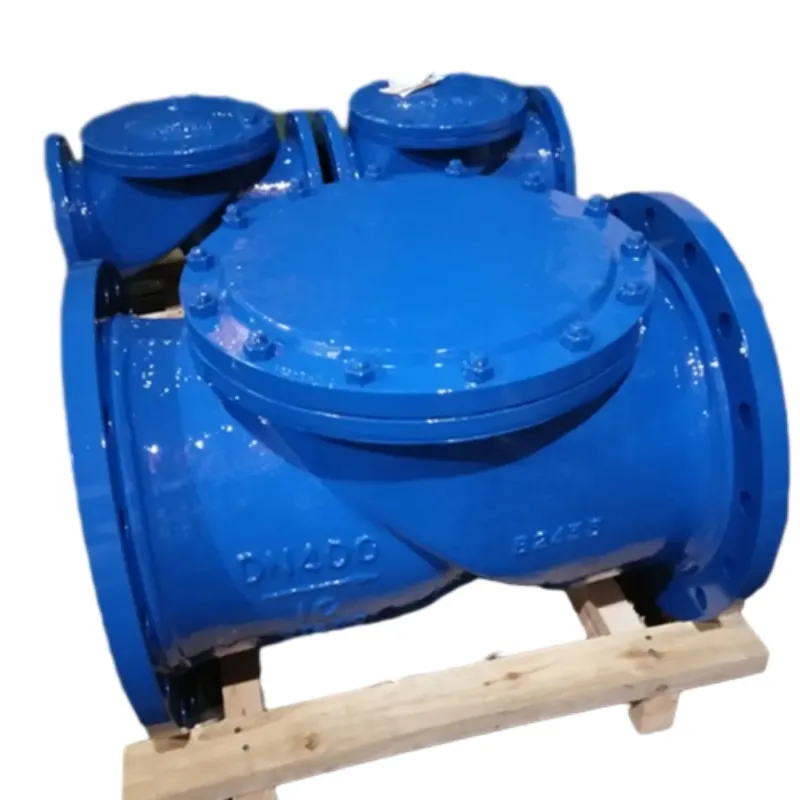


news and information

Versatile 4x8 Foot Welding Table for Efficient Metalworking and Fabrication
4x8 welding table .
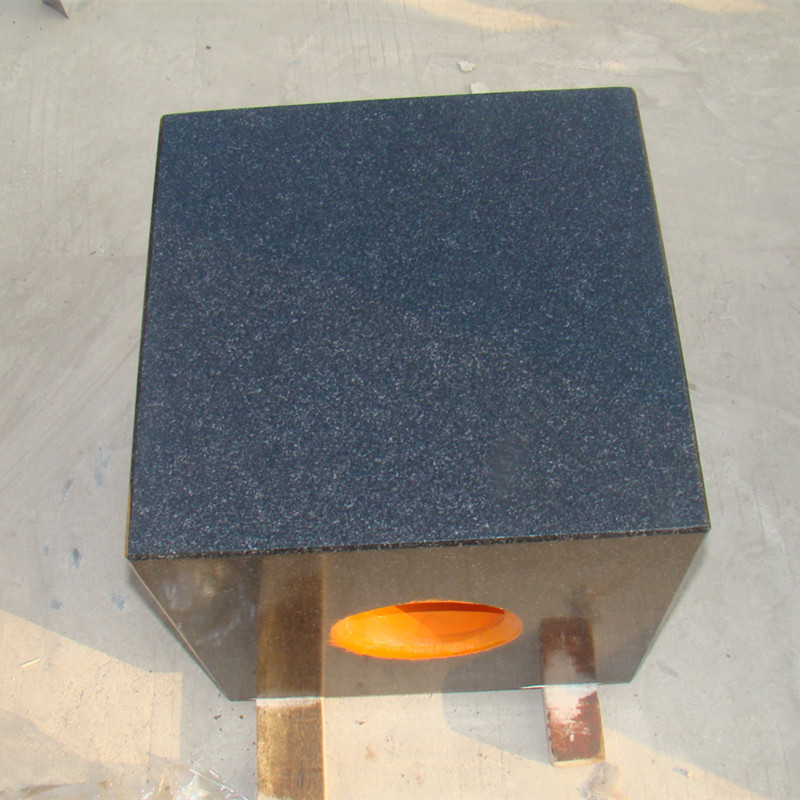
Water gate valve price
In the complex landscape of water management and distribution systems, the water gate valve holds a
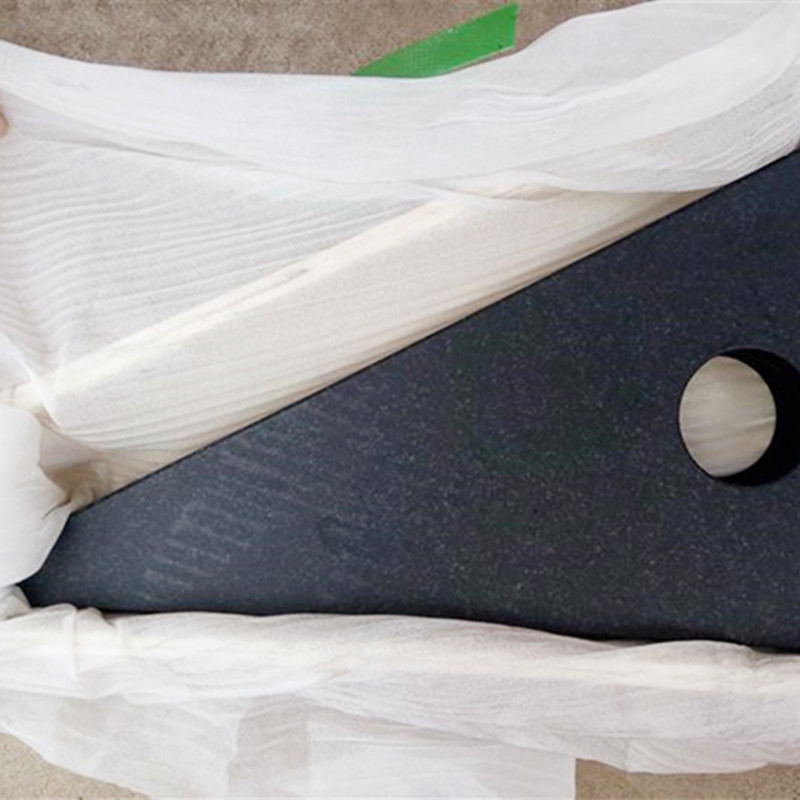
valve factory
Located at the very heart of industrial innovation, valve factories have become pivotal in shaping t
 English